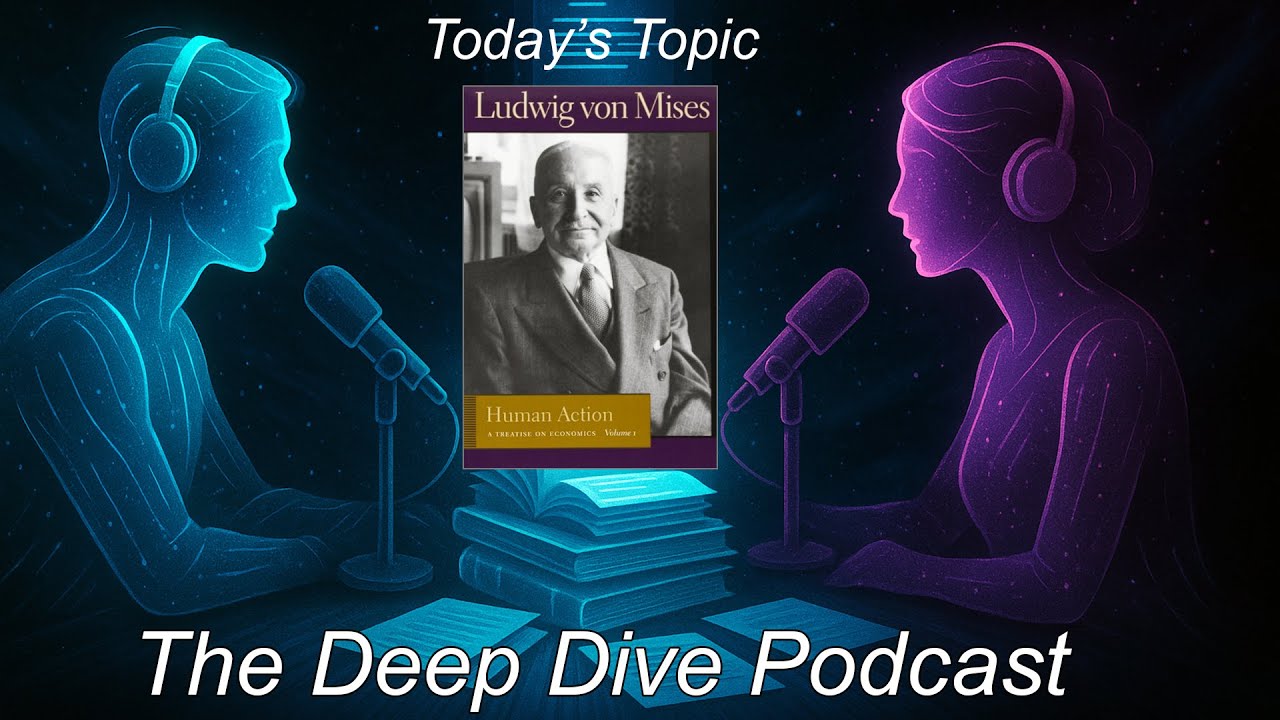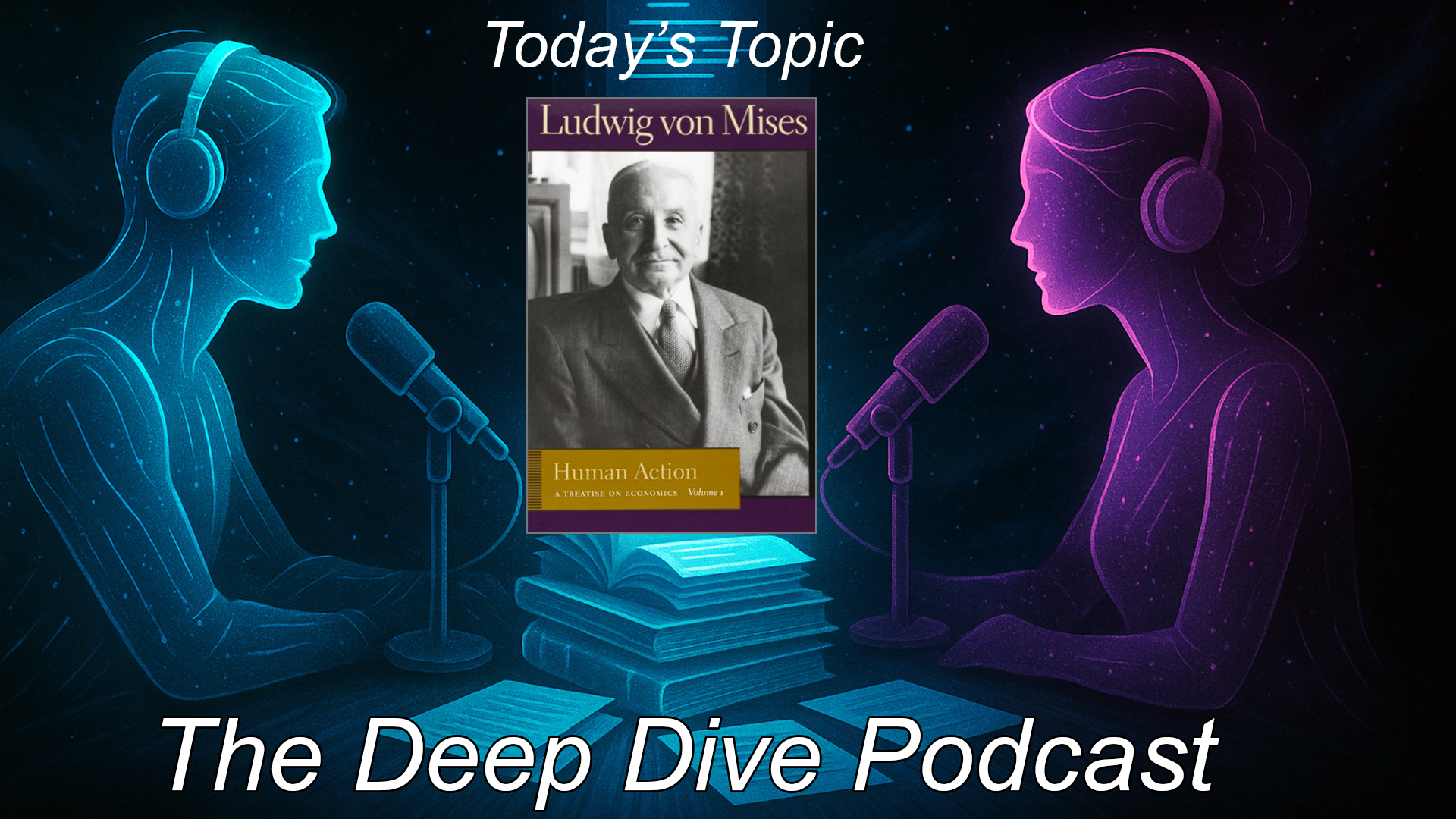
Human Action (1949) by Ludwig von Mises stands as a monumental defense of liberty, redefining economics as praxeology—the study of purposeful human action driven by individuals seeking to alleviate uneasiness under conditions of scarcity. Mises argues that all economic phenomena stem from individual choices, not aggregates or classes, and that socialism fails because without market prices, central planners cannot rationally allocate resources, leading to chaos and tyranny. The market emerges as a spontaneous order of voluntary exchanges, where prices, profits, and losses serve as essential signals for coordination, far superior to top-down commands. He warns that interventionism—government meddling like price controls or inflation—creates booms followed by busts, eroding capital and distorting incentives, while sound money and private property align with human nature for sustainable progress. Echoing the American Founders’ emphasis on limited government, Mises sees freedom as the prerequisite for moral responsibility and prosperity, with the state’s role confined to enforcing general rules. Democracy alone cannot safeguard liberty without public understanding of economics, as misguided majority demands for intervention invite despotism. This timeless treatise challenges listeners: if economic ignorance prevails, can any political framework prevent the slide toward collapse, or is grasping these truths our ultimate civic duty?