
![The Anti-Federalist Concerns: Was the Constitution a Blueprint for Tyranny? [VIDEO]](https://wp.fifu.app/smellthefreedom.org/aHR0cHM6Ly9pLnl0aW1nLmNvbS92aS9OTTN4SGNNd0Nyay9tYXhyZXNkZWZhdWx0LmpwZw/f0aee7e8b85e/the-anti-federalist-concerns-was-the-constitution-a-blueprint-for-tyranny-video.webp?w=1280&h=720&c=0&p=258437 "The Anti-Federalist Concerns: Was the Constitution a Blueprint for Tyranny? [VIDEO]")
The late 1780s in America were marked by intense debate over the ratification of the Constitution. This debate was not just a political formality but a profound discourse on the future of American governance. Central to this debate were the Anti-Federalists, who raised significant concerns about the potential for the Constitution to centralize power and threaten individual liberties.
Federalists vs. Anti-Federalists: Misleading Terminology
The terms “Federalist” and “Anti-Federalist” were, in many ways, propaganda tools. The Federalists, who advocated for a strong national government, adopted a name that suggested they were supporters of a federal system, even though their vision was more centralized than the one under the Articles of Confederation. Conversely, the Anti-Federalists, who supported a true federation of states with significant independence, were labeled as opposing federalism. This misnomer added confusion to the debate.
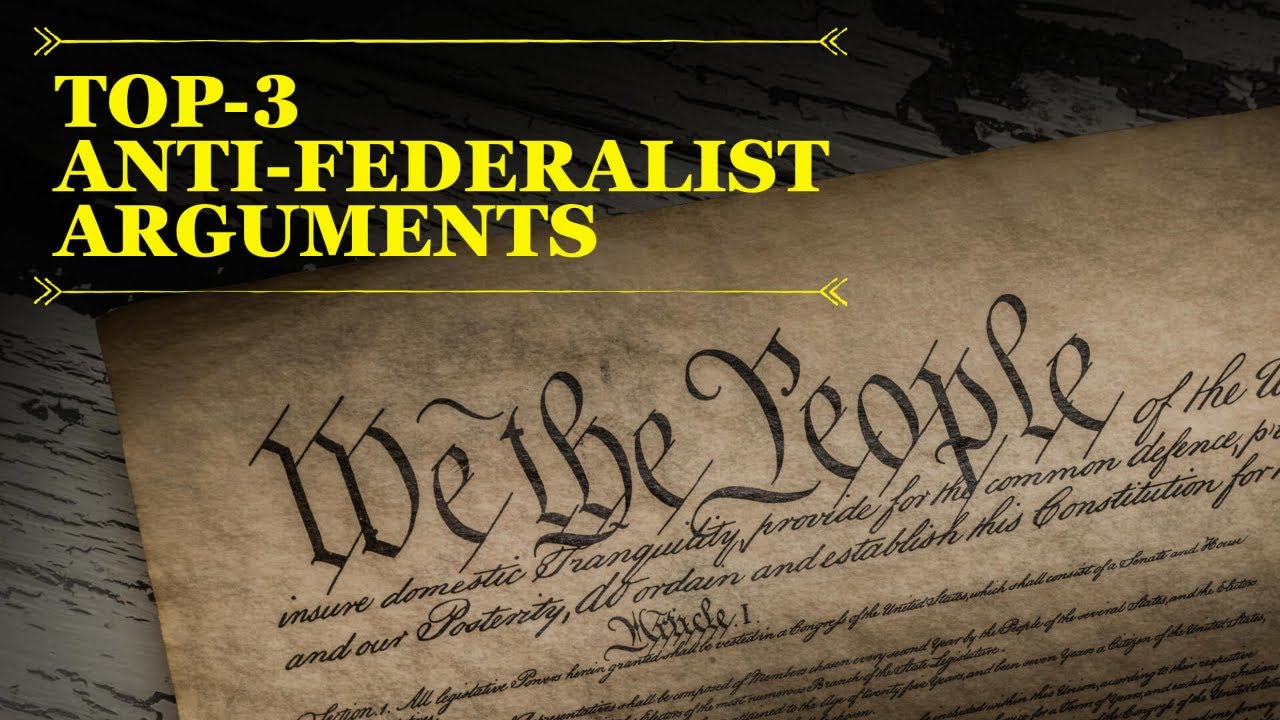
Argument 1: Centralization of Power
The primary concern of the Anti-Federalists was the consolidation of power in a central government. They feared that the new Constitution would create a system where state sovereignty would be eroded, and a strong national government would dominate. Patrick Henry, a leading Anti-Federalist, warned that such centralization was the most destructive danger to liberty. Similarly, Brutus, in his essays, argued that a confederated government was preferable to a consolidated one, which he believed would lead to tyranny.
Argument 2: Ambiguous Terms and Expansive Powers
Another major argument from the Anti-Federalists was that the Constitution contained vague and ambiguous terms that could be interpreted to expand federal power indefinitely. Clauses like the “necessary and proper” clause, the “supremacy clause,” and the power to regulate “commerce among the states” were seen as potential tools for overreach. The Anti-Federalists feared that these terms would allow the federal government to assume powers not explicitly granted, leading to an erosion of state authority and individual freedoms.
The Lack of a Bill of Rights
A significant point of contention was the absence of a Bill of Rights in the original Constitution. Anti-Federalists like George Mason and Patrick Henry argued that without explicit protections, the federal government could easily encroach on fundamental rights. Federalists countered that since the Constitution did not grant the federal government the power to violate these rights, there was no need to enumerate them. However, the Anti-Federalists insisted that a clear statement of rights was essential to safeguard liberties.
The Path to Consolidation
Many Anti-Federalists predicted that the Constitution’s structure would inevitably lead to a consolidated government. They believed that the federal government’s powers, combined with human nature’s tendency towards power expansion, would result in the states becoming subordinate. This prediction was based on their understanding of history and the nature of governance.
Conclusion: The Legacy of Anti-Federalist Thought
The Anti-Federalist arguments were instrumental in shaping the American political landscape. Their insistence on a Bill of Rights led to the first ten amendments to the Constitution, which explicitly protected individual liberties. While the Federalists succeeded in ratifying the Constitution, the Anti-Federalist warnings about centralization and the potential for government overreach remain relevant. The debate highlighted the importance of vigilance in protecting liberty and the need for clear limitations on governmental power.
![Understanding the Second Amendment: Eight Essential Principles [VIDEO]](https://wp.fifu.app/smellthefreedom.org/aHR0cHM6Ly9pLnl0aW1nLmNvbS92aS9pWnUyN005a3pTTS9tYXhyZXNkZWZhdWx0LmpwZw/14705cfc436c/understanding-the-second-amendment-eight-essential-principles-video.webp?w=400&h=250&c=1&p=258444 "Understanding the Second Amendment: Eight Essential Principles [VIDEO]")
![A DIY Guide to Understanding the Original Meaning of the U.S. Constitution [VIDEO]](https://wp.fifu.app/smellthefreedom.org/aHR0cHM6Ly9pLnl0aW1nLmNvbS92aS9xaGYtU1FkcDk0QS9tYXhyZXNkZWZhdWx0LmpwZw/d458ce77a520/a-diy-guide-to-understanding-the-original-meaning-of-the-u-s-constitution-video.webp?w=400&h=250&c=1&p=258439 "A DIY Guide to Understanding the Original Meaning of the U.S. Constitution [VIDEO]")
![The Pursuit of Happiness: A Foundational Perspective [VIDEO]](https://wp.fifu.app/smellthefreedom.org/aHR0cHM6Ly9pLnl0aW1nLmNvbS92aS9GemdXaGlqaHNnay9zZGRlZmF1bHQuanBnP3Y9NjY2ZjY2Nzk/ae9e3544843c/the-pursuit-of-happiness-a-foundational-perspective-video.webp?w=400&h=250&c=1&p=258435 "The Pursuit of Happiness: A Foundational Perspective [VIDEO]")