
The Deep Dive
The Deep Dive is a unique podcast-style series that brings some of history’s most important books and ideas to life. Each episode takes you inside works on the Constitution, natural law, economics, and liberty, transforming dense texts into thoughtful, easy-to-follow conversations. Instead of long lectures, you’ll hear engaging discussions that break down the core arguments, connect them to today, and make timeless ideas more accessible. It’s an innovative way to explore the foundations of freedom — one conversation at a time.



The Myth of the Robber Barons: A New Look at the Rise of Big Business in America
The Myth of the Robber Barons dismantles the long-held narrative that America's Gilded Age titans like Vanderbilt, Rockefeller, and Carnegie were ruthless villains exploiting workers and crushing competition. Historian Burton Folsom distinguishes between "market entrepreneurs," who innovated to lower prices and create value (e.g., Vanderbilt slashing steamship fares by 90% through efficiency), and "political entrepreneurs," who relied on government subsidies and failed spectacularly (e.g., Collins' subsidized lines collapsing). Market giants like James J. Hill built superior railroads without handouts, outlasting wasteful, corrupt subsidized rivals, while Carnegie and Rockefeller revolutionized steel and oil by focusing on quality and cost-cutting. Folsom argues true capitalism thrives on voluntary cooperation and consumer service, not cronyism, where political favors breed inefficiency and higher costs for all. This distinction reveals how the "robber baron" label smears innovators while ignoring real parasites using state power. The book warns that today's crony capitalism echoes those failures, urging a return to free-market principles for genuine progress. Provocative and eye-opening, it challenges: in an era of bailouts and regulations, are we rewarding true creators or just modern political entrepreneurs?...
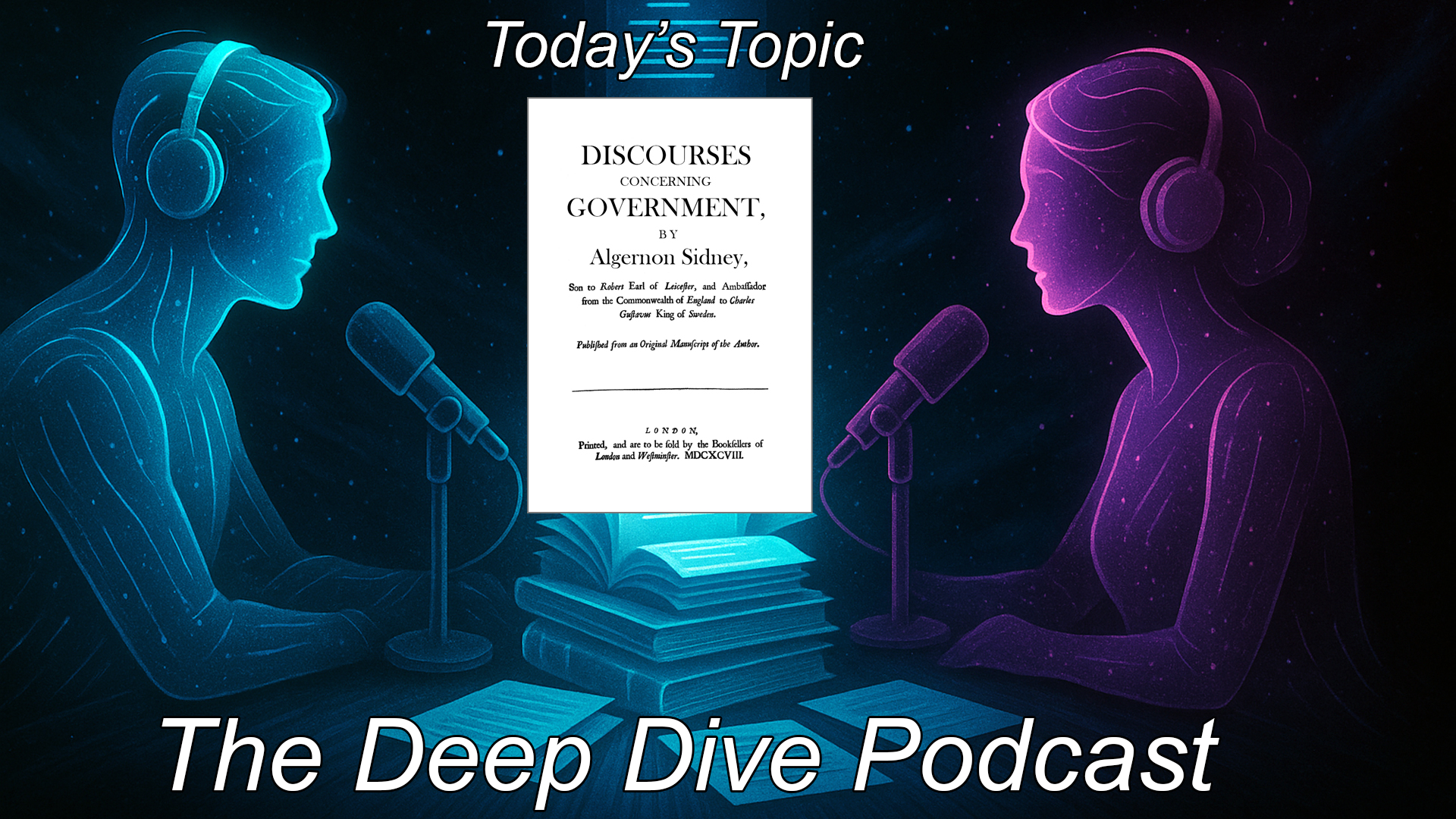
Discourse Concerning Government: The Ideas That Helped Inspire the Declaration of Independence
Discourses Concerning Government (1698) by Algernon Sidney, executed for treason in 1683 with his manuscript as evidence, serves as a fiery blueprint for republican liberty that profoundly influenced America's Founders like Jefferson. Sidney argues that all political power originates from the people, who form governments through voluntary consent to protect natural rights, rejecting divine-right monarchy as tyrannical idolatry. He champions self-governance rooted in virtue, reason, and law, warning that corrupt rulers breed servility while a vigilant, educated citizenry sustains freedom. Drawing from classical thinkers like Aristotle and Cicero, Sidney asserts unjust laws are void, and resistance to tyranny is a moral duty, equating absolute power with slavery. His work, smuggled and published posthumously, directly shaped the Declaration of Independence's emphasis on consent, equality, and the right to revolt. This defiant treatise challenges listeners: if liberty demands constant virtue and vigilance from citizens, are we upholding Sidney's principles today, or allowing corruption to erode our self-rule? A riveting exploration of the intellectual roots that birthed modern democracy—essential listening for understanding freedom's fragile foundations...
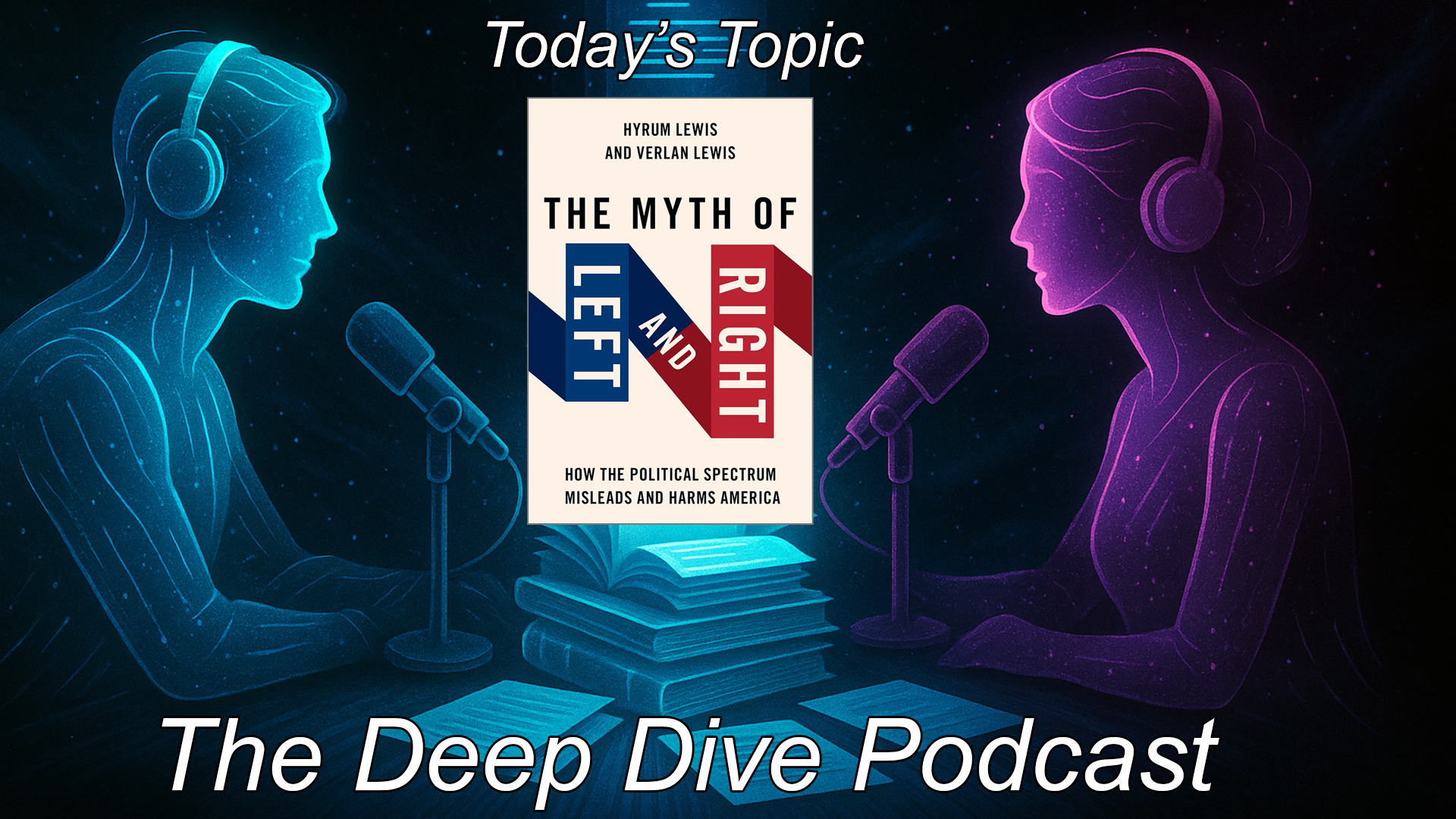
The Myth of Left and Right: How the Political Spectrum Misleads and Harms America
The Myth of Left and Right explodes the idea that "left" and "right" represent coherent worldviews, arguing instead that they're mere tribal uniforms—social groups bound by identity, not fixed philosophical essences. Authors Hyrum and Verlan Lewis dismantle the "essentialist myth," showing how policy positions flip-flop (e.g., Republicans abandoning free trade, Democrats embracing military intervention) not due to evolution but tribal loyalty to leaders. This illusion fuels affective polarization, turning debates into good-vs-evil battles that justify extremism, as seen in events like January 6th. The spectrum misleads by implying logical consistency where none exists, harming discourse and enabling manipulation. True progress requires ditching ideological certainty for humility, rationalism, and local community-building over national tribalism. The book warns that this myth erodes truth and freedom, urging a shift from principled fanaticism to error-correcting accuracy. This eye-opening critique leaves listeners asking: Are you ready to prioritize intellectual humility over your political tribe's comforting illusions?...
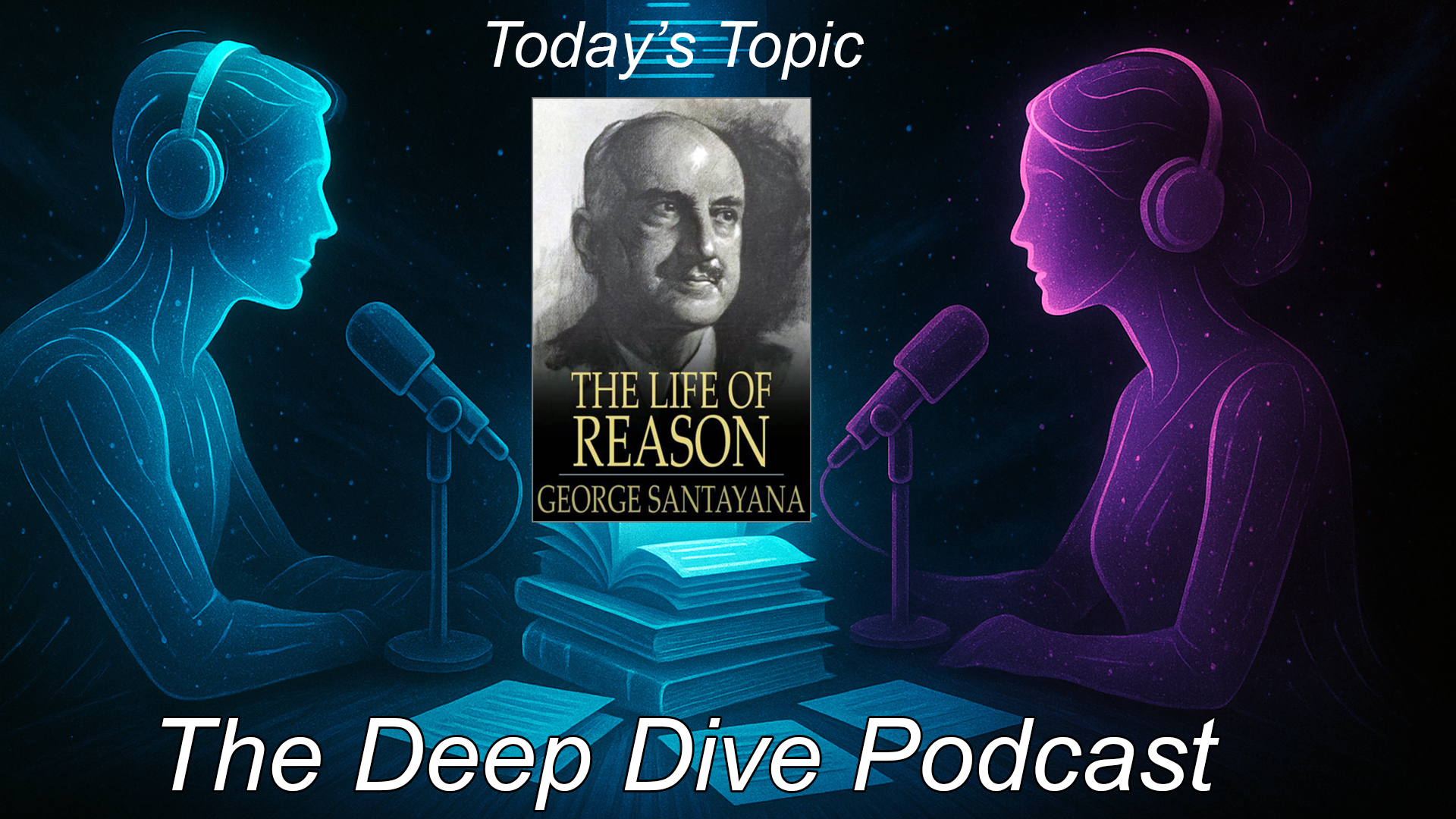
The Life of Reason: Why Those Who Forget the Past Are Condemned to Repeat It
The Life of Reason (1905) by George Santayana, source of the oft-misunderstood quote "Those who cannot remember the past are condemned to repeat it," offers a profound philosophical autopsy of civilization amid the Industrial Revolution's technological boom. Santayana defines reason not as cold logic but as the harmonious integration of human impulses toward happiness, warning that unchecked animal instincts lead to chaos while superstition or materialism distort true progress. He critiques the 19th century's mismatch: explosive material advancements outpacing moral and intellectual growth, leaving humanity as efficient "worldlings" capable of destruction without wisdom. Superstition clings to outdated myths, while worldly pursuits prioritize power and pleasure over reflective virtue, both failing to foster genuine human flourishing. Memory and history, Santayana argues, are vital antidotes, incorporating ancestral lessons to avoid repeating errors and build sustainable justice. Prophetically foreseeing 20th-century horrors, he portrays existence as a "rash" cosmic impulse demanding constant rational vigilance against self-destruction. This timeless work challenges listeners: in an era of rapid innovation and moral drift, can we harness reason's harmony to counteract our impulsive nature, or are we doomed to repeat history's darkest cycles?...

The Road to Serfdom: How Good Intentions Lead Free Societies Toward Control and Crisis
In this episode of The Deep Dive, we examine Friedrich A. Hayek’s The Road to Serfdom, a landmark warning against centralized economic planning. Written during World War II, Hayek argues that even well-intentioned efforts to organize society around a single economic plan inevitably require coercion, erode the rule of law, and concentrate power in the hands of a few. He explains how free markets function as a decentralized system of knowledge, why democracy struggles to sustain comprehensive planning, and how the pursuit of economic “security” can undermine individual liberty, morality, and truth itself. The episode traces Hayek’s core claim that economic control becomes control over life itself, placing societies on a dangerous path away from freedom and toward authoritarianism...
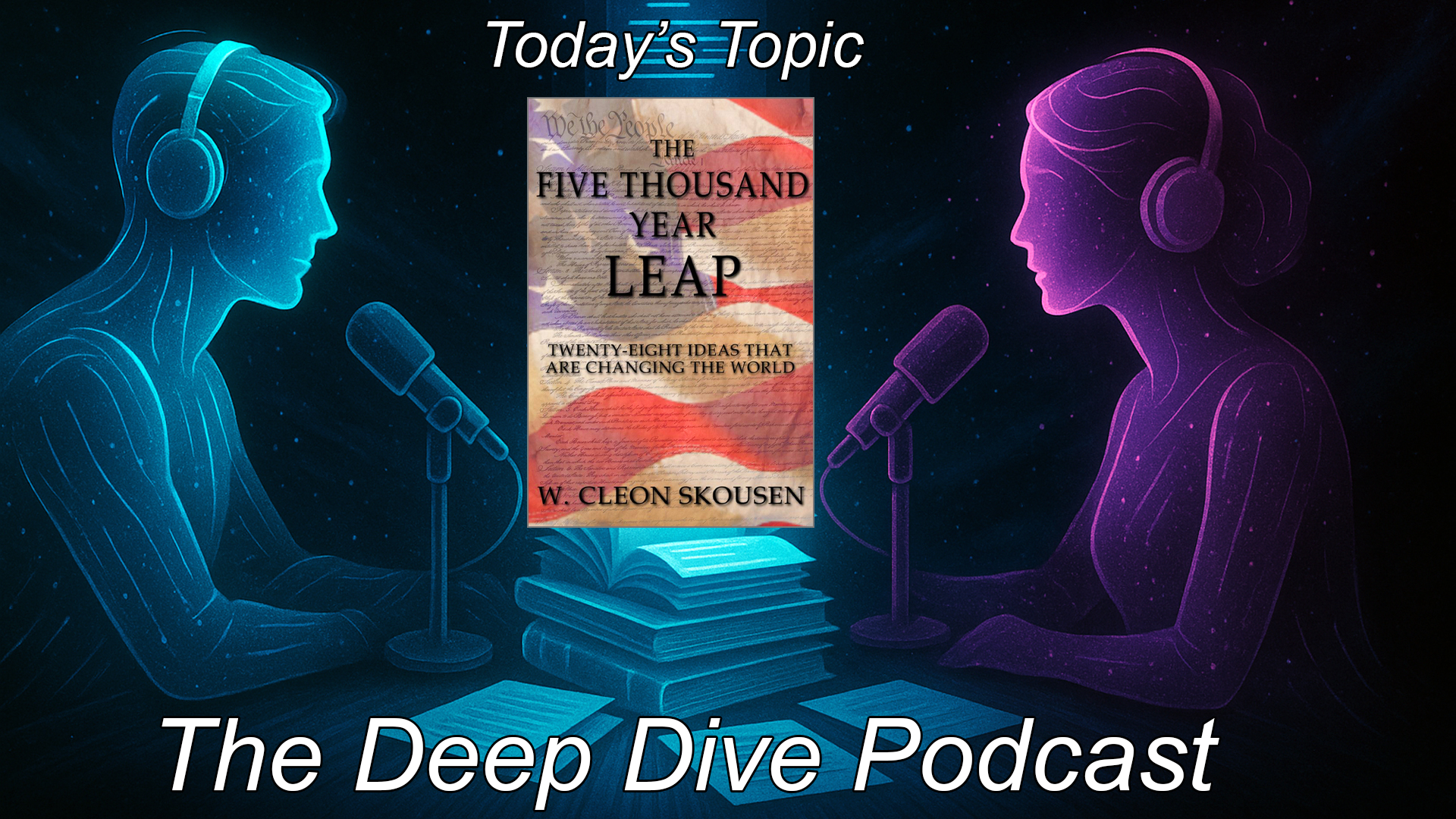
The 5000 Year Leap: Why America’s Founding Principles Transformed the World & Why They Still Matter
The Five Thousand Year Leap boldly claims that America's founding unleashed a revolutionary 5,000-year advance in human freedom, technology, and prosperity after millennia of stagnation—from ancient Babylon's stick plows and bloodletting medicine to Jamestown's similar hardships. Author W. Cleon Skousen attributes this "leap" to 28 foundational principles drawn from the Founders' synthesis of Judeo-Christian ethics, natural law, and classical wisdom, including that only virtuous people sustain good government, equal rights (not outcomes) are divine, and private property is sacred. This inspiring manifesto challenges: if these principles propelled unprecedented advancement, why have we strayed, and can rediscovering them restore the leap? A must-listen for anyone questioning America's path and seeking timeless wisdom on liberty's foundations...
Democracy In America: Tocqueville’s Assessment of Why Freedom Thrived Then and Struggles Now
Democracy in America by Alexis de Tocqueville (1830s) brilliantly analyzes how the U.S. balanced equality and liberty, avoiding Europe's revolutionary turmoil through a "social state" where pervasive equality fostered habits of self-reliance, local governance, and voluntary associations. Yet he warns of lurking dangers: individualism leading to isolation and "soft despotism," where a paternalistic central government erodes freedom by providing comfort through endless regulations, while equality risks envy, conformity, and majority tyranny that stifles dissent. This prophetic work challenges modern listeners: amid rising centralization, can we revive civic engagement and moral vigilance to preserve liberty, or will we trade it for the illusion of secure servitude?...

Hedonic Illusions: Why Everything Costs More but the Government Claims It Doesn’t
Hedonic Illusions: How Quality Adjustments Distort U.S. Inflation Data exposes the disconnect between Americans' lived experience of rising costs and the tame inflation reported by the Consumer Price Index (CPI), arguing that hedonic adjustments—factoring in "quality improvements" like faster processors or better fuel efficiency—systematically understate price hikes. This eye-opening analysis challenges: if official inflation masks the true squeeze on everyday Americans, how much wealth has been quietly siphoned away, and what reforms could restore honest economic reporting?...
Moral Man and Immoral Society: Why Good People Build Unjust Systems
Moral Man and Immoral Society (1932) by Reinhold Niebuhr delivers a stark, realistic critique of why individual morality fails to scale to groups amid the Great Depression and rising fascism. Niebuhr argues that individuals possess self-transcendence—sympathy, conscience, and reason—enabling them to prioritize others, but groups (nations, classes, races) lack this capacity, descending into unrestrained egoism where power and survival dominate. This profound work challenges listeners: in an era of division, can we harness that "madness" for progress without letting it destroy us?...
Supreme Damage: How Nine Politically Connected Lawyers In Robes Continue to Rewrite the Constitution
Supreme Damage by Thurman Leonard Smith exposes how the U.S. Supreme Court has morphed from a passive interpreter of law into a policy-making super-legislature, overriding elected representatives and eroding representative self-government. This books urgent wake-up call challenges listeners: which recent decisions reflect outcome-driven activism over impartial process, and how has it shattered public trust in the judiciary as guardian of the rule of law?...
Exchange Prices & Production in Hyperinflation (Germany, 1920-23): When Wealth Lost All Meaning
Exchange Prices and Production in Hyperinflation dissects the catastrophic German hyperinflation of 1920–1923 through Frank Graham’s rigorous 1930 study, revealing how the mark’s collapse (prices doubling in hours, trillion-mark notes) masked a counterfeit prosperity. Inflation isn’t stimulus but disguised decay, rewarding vice over virtue and paving the road to political instability. This sobering analysis challenges: as modern economies flirt with endless money creation, are we ignoring the same illusions that once destroyed a nation’s foundation?...
Human Action: How Ludwig von Mises Proved Central Planning Fails and Freedom Builds Prosperity
Human Action (1949) by Ludwig von Mises stands as a monumental defense of liberty, redefining economics as praxeology—the study of purposeful human action driven by individuals seeking to alleviate uneasiness under conditions of scarcity. Mises argues that all economic phenomena stem from individual choices, not aggregates or classes, and that socialism fails because without market prices, central planners cannot rationally allocate resources, leading to chaos and tyranny. This timeless treatise challenges listeners: if economic ignorance prevails, can any political framework prevent the slide toward collapse, or is grasping these truths our ultimate civic duty?...
Freedom and the Law: How Endless Legislation Slowly Destroys Liberty and the Rule of Law
Freedom and the Law by Bruno Leoni (from 1958 lectures) delivers a radical critique: the greatest threat to liberty in democracies isn’t tyrants but the explosive growth of legislation—statutes and regulations that drown society in unpredictable, arbitrary rules. Leoni warns that modern interventionism creates a new despotism through sheer volume and complexity, where laws become tools of plunder rather than justice. He advocates dramatically reducing legislative output to let spontaneous, discovered rules reemerge based on trust and mutual agreement. This eye-opening classic challenges us: in an age of endless regulations, is the boldest path to liberty simply to legislate less and rediscover the organic order that once sustained free societies?...
Folkways: How Tradition Shapes Freedom, Order, and Civilization And Why the Nuclear Family Endures
Folkways by William Graham Sumner offers a profoundly naturalistic, almost biological account of society as an organic growth rather than a designed system. Sumner argues that the deepest roots of social order are the folkways—unconscious, inherited habits and customs for survival that evolve through generations of trial and error. These practical ways of doing things gradually harden into mores (moral customs carrying strong social approval or disapproval, defining virtue and vice for the group) and eventually crystallize into formal laws when they become essential for collective welfare. This challenging work leaves listeners asking: if society’s foundations are the slow, organic product of survival rather than conscious design, how much of our modern impulse to engineer equality or justice through top-down policy is built on the same hubris that Sumner saw as doomed to fail? A timeless and unsettling classic that reframes liberty, morality, and progress as products of lived reality rather than ideals imposed from above...
The Constitution of Liberty: F.A. Hayek’s Warning Against the Rise of the Administrative State
The Constitution of Liberty (1960) by F.A. Hayek offers a profound and systematic defense of individual freedom at the height of Cold War collectivism, arguing that true liberty is the absence of coercion, being free from the arbitrary will of others, and that only a society governed by general, predictable rules can secure it. This masterful work challenges us today: in an era of growing bureaucracy and demands for engineered equality, are we willing to accept the risks and responsibilities of freedom, or will we trade liberty for the illusion of security and control?...

Summa Theologica: How Thomas Aquinas Laid the Moral Foundation for America’s Founding Principles
Summa Theologica is St. Thomas Aquinas’s monumental 13th-century synthesis of faith and reason, a towering intellectual architecture that harmonizes Aristotelian logic with Christian revelation to explore existence, knowledge, morality, and God’s relationship to the world. Aquinas argues law is an ordinance of reason for the common good; unjust laws lose moral force, grounding liberty in an objective moral order discoverable by reason and placing limits on government power, ideas that profoundly shaped Western constitutionalism. This work challenges us today: if justice rests on a knowable moral reality rather than mere power or preference, are we still willing to uphold that foundation, or have we surrendered ordered liberty to subjective will?...
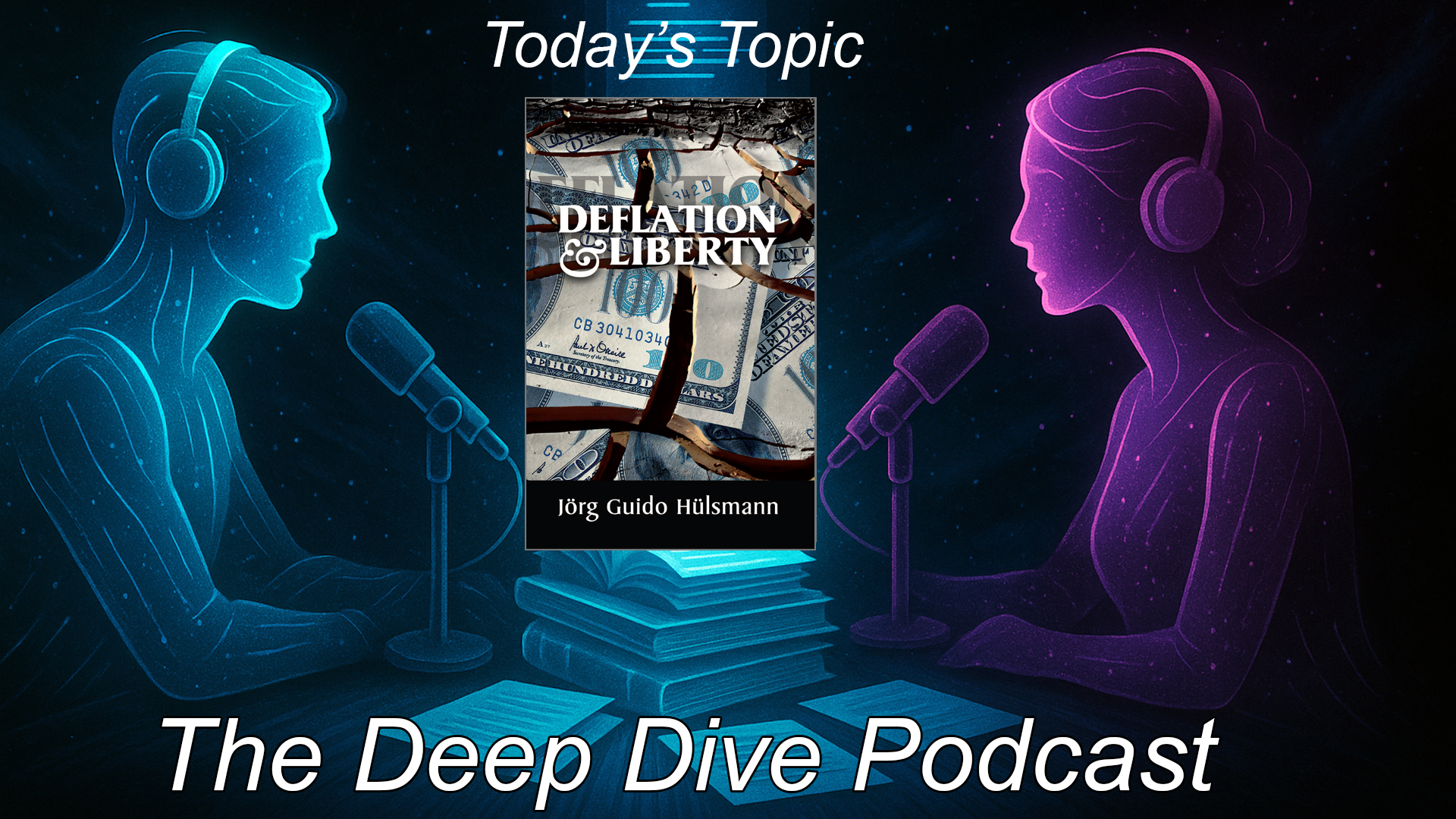
Deflation and Liberty: Why Falling Prices Are a Cure for Corruption, Not a Cause of Crisis
Deflation and Liberty by Guido Hülsmann delivers a radical and deeply counterintuitive challenge to the modern economic consensus: deflation—falling prices caused by a contraction in the money supply—is not an economic catastrophe but a moral and economic cleansing mechanism that restores honesty, rewards saving and prudence, and limits the power of the state. This provocative work challenges listeners: if deflation is the market’s way of correcting past monetary sins, why do governments and central banks fight it so fiercely, and what freedoms are we sacrificing to sustain the inflationary illusion?...
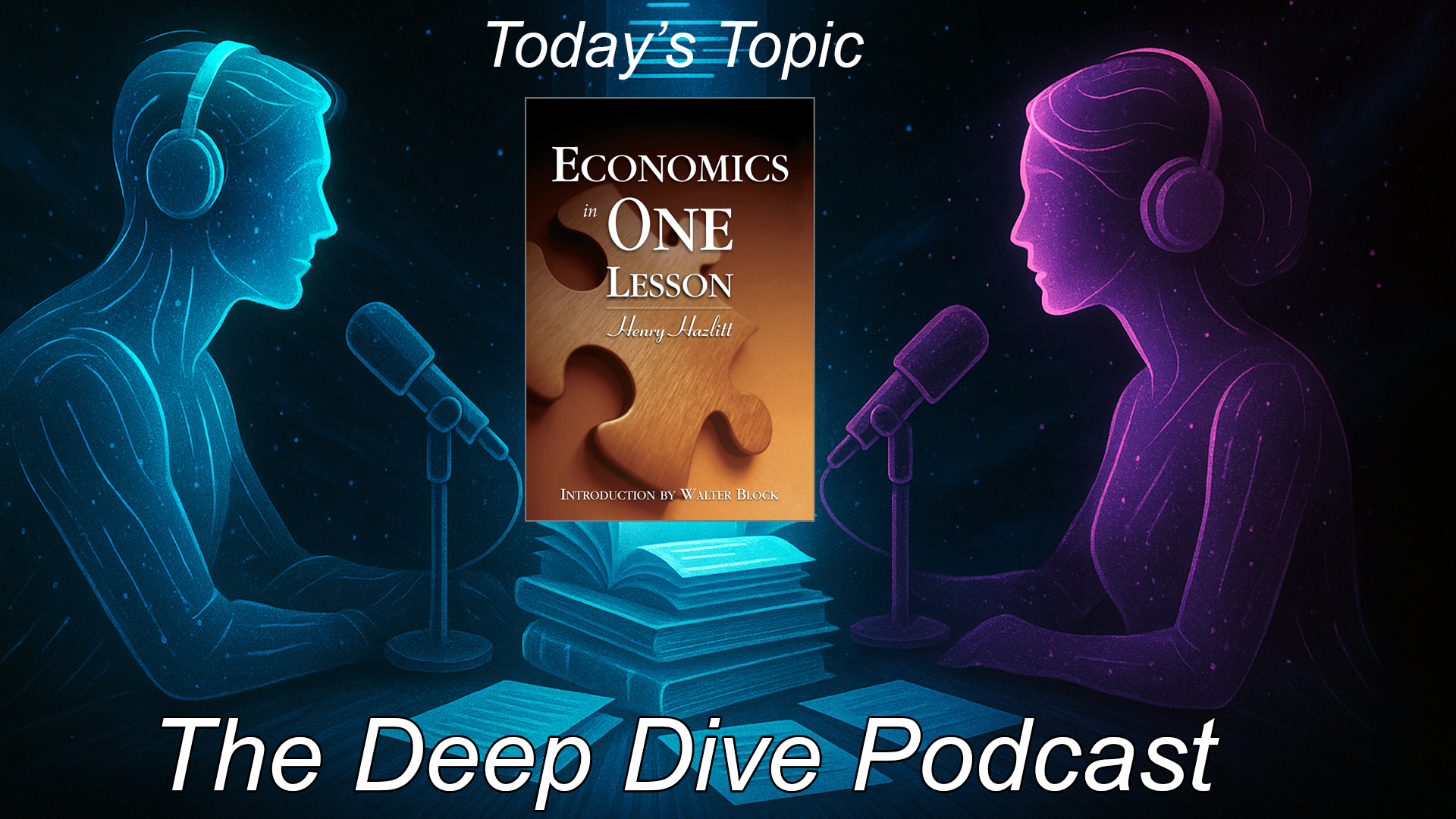
Economics In One Lesson: How Henry Hazlitt Exposed the Hidden Costs That Destroy Prosperity
Economics in One Lesson (1946) by Henry Hazlitt remains the clearest, most devastating introduction to sound economics ever written. Hazlitt’s single, timeless lesson: The art of economics consists in looking not merely at the immediate effects of any act or policy, but at the longer and indirect effects on all groups. This razor-sharp classic leaves listeners with a piercing question: In the next policy promising to help one group, who is the unseen C paying the price, and what real wealth is being destroyed that we will never see?...
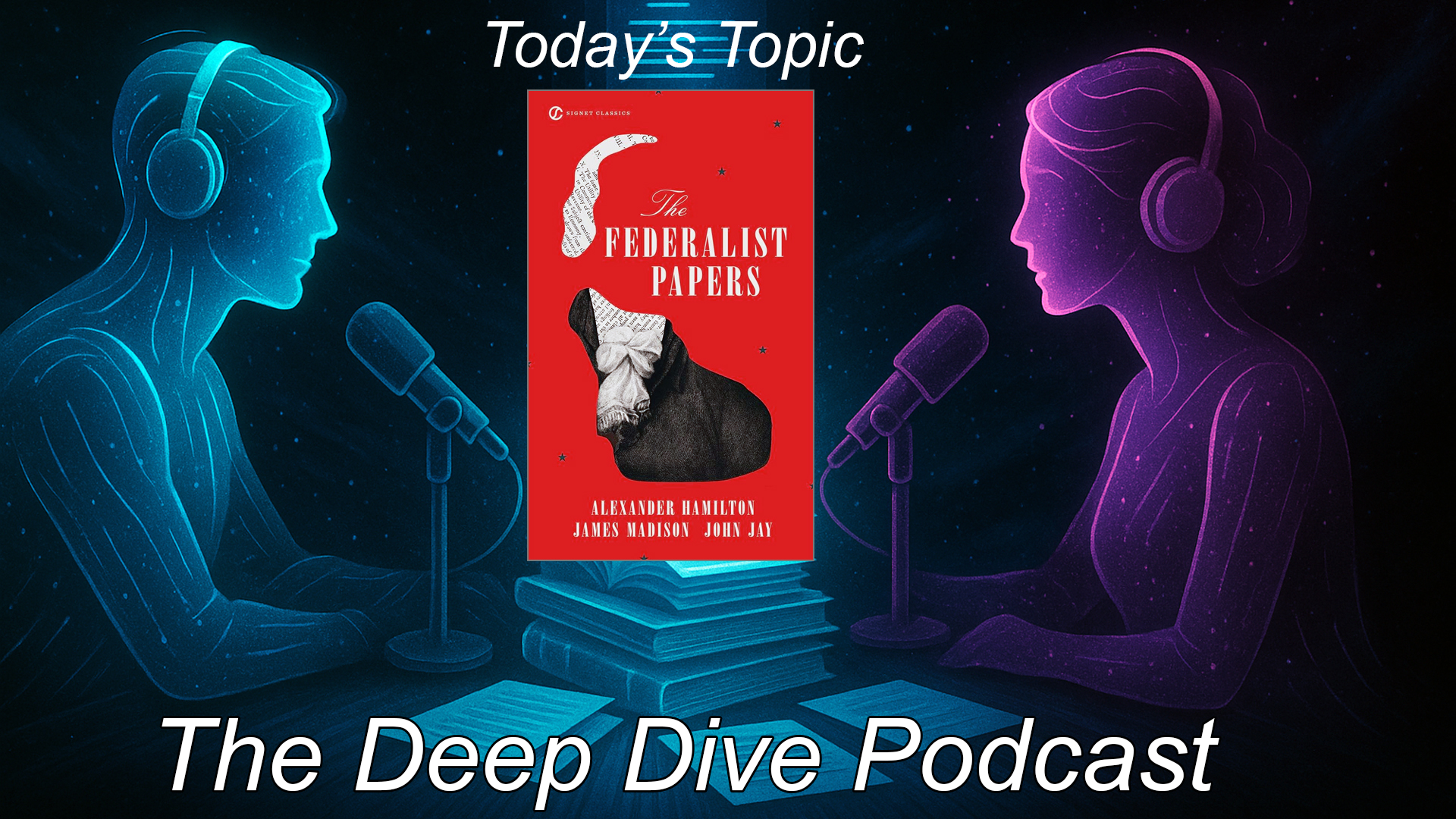
The Federalist Papers: Inside the Founders’ Plan to Keep Power Divided and Liberty Alive
The Federalist Papers (1787–1788), written by Alexander Hamilton, James Madison, and John Jay under the pseudonym Publius, present a masterful case for ratifying the U.S. Constitution by diagnosing the fatal flaws of the Articles of Confederation—a “government of governments” that could only request action from sovereign states, leading to anarchy, unpaid debts, and vulnerability to foreign powers and internal trade wars. This profound blueprint challenges listeners today: has the compound republic endured as designed, or has the failure of states to assert their role allowed the federal “vortex” the Anti-Federalists feared to swallow local self-government?...
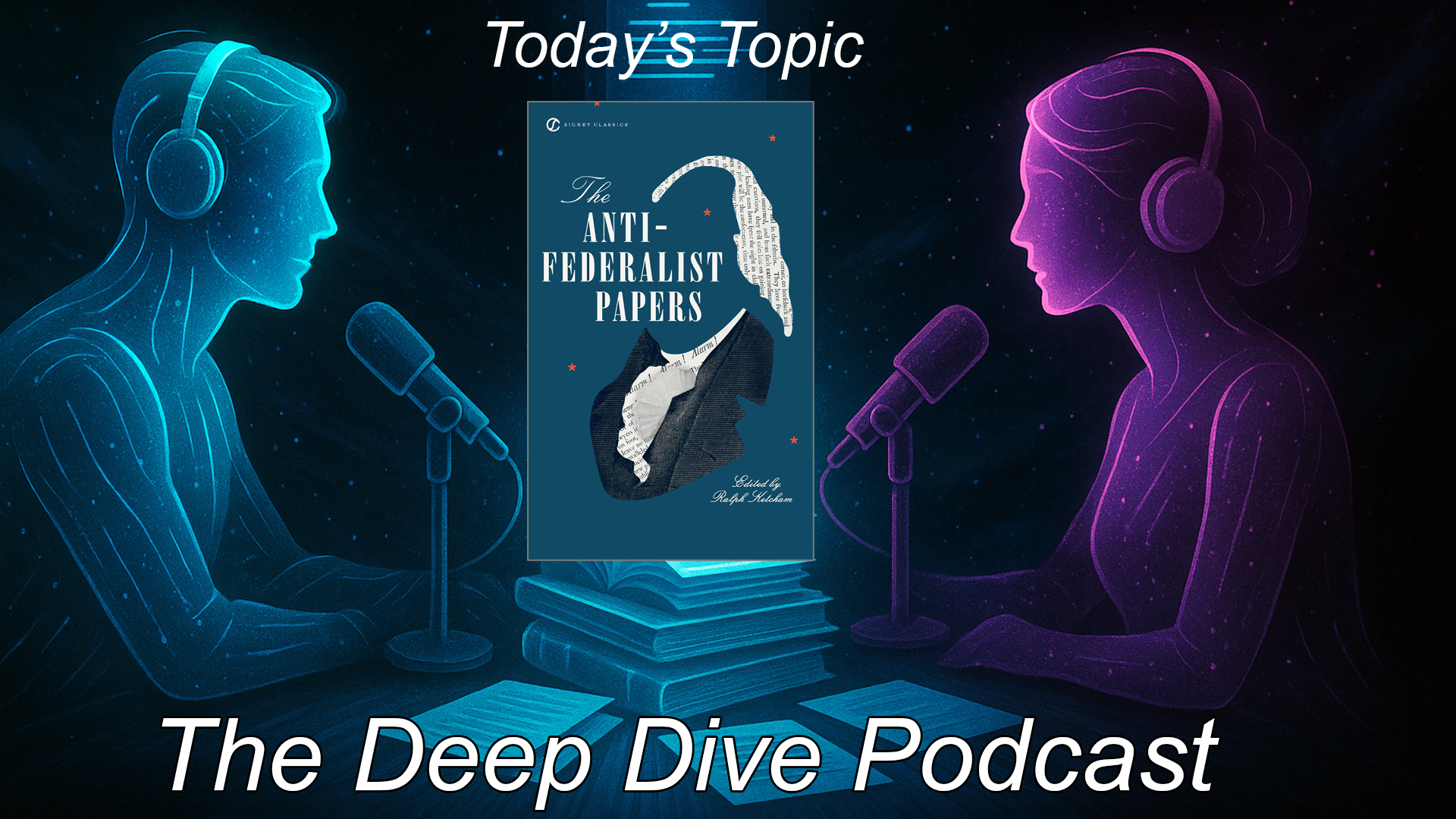
The Anti-Federalist Papers: The Forgotten Warnings That Predicted the Rise of Federal Power
The Anti-Federalist Papers (1787–1788) collect the powerful, often prophetic arguments of those who opposed ratifying the U.S. Constitution, writing under pseudonyms like Brutus, Cato, Federal Farmer, and Sentinel. They warned that the new system was not truly federal but national, granting Congress near-limitless power through the Necessary and Proper Clause and Supremacy Clause, which would enable the federal government to override state laws, tax individuals directly, and gradually absorb state sovereignty. This episode challenges listeners: have we heeded their call for vigilance, or has the “Grand Continental vortex” they feared swallowed the balanced federalism they defended?...

What Social Classes Owe Each Other: The Forgotten Man and the Price of Forced Compassion
What Social Classes Owe to Each Other (1883) by William Graham Sumner delivers a sharp, uncompromising critique of the growing 19th-century demand that “the rich,” “the successful,” or “society” must solve every social problem for the less fortunate—demands Sumner sees as the foundation of new class tyranny. Sumner’s enduring challenge: the next time you hear a call for collective solutions enforced by the state, ask—who is C, the Forgotten Man paying the price, and are we willing to sacrifice liberty and self-reliance to pretend we can make everyone equally comfortable?...
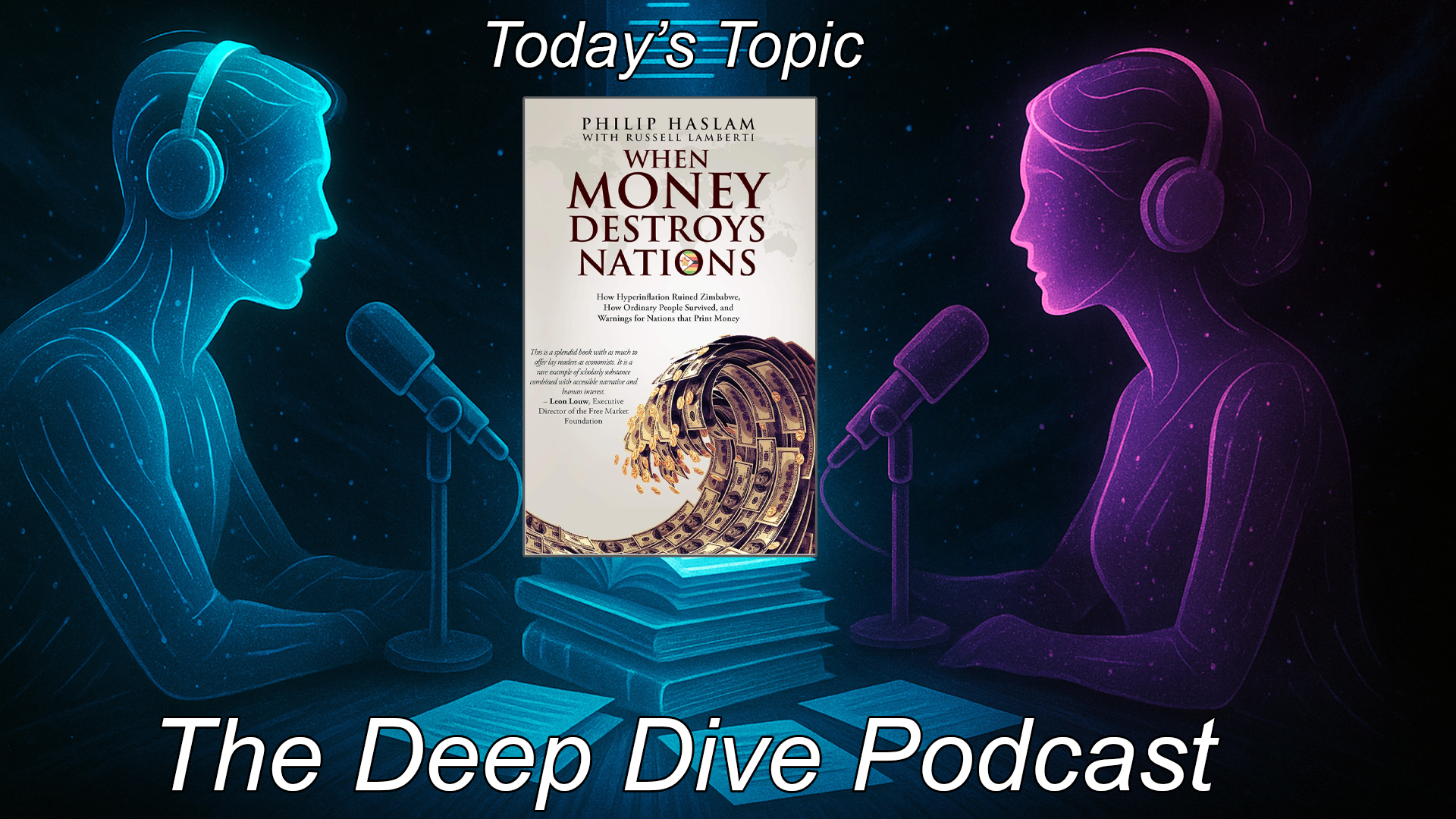
When Money Destroys Nations: The Zimbabwe Warning to the Modern World
When Money Destroys Nations by Philip Haslam and Russell Lamberti delivers a gripping, firsthand account of Zimbabwe’s catastrophic hyperinflation from 2000 to 2009, where annual inflation peaked at an incomprehensible 89.7 sextillion percent in November 2008. The authors draw sobering parallels to Weimar Germany and the American founders’ experience with the worthless Continental dollar, arguing that when governments treat currency as a political tool, trust evaporates, coercion replaces cooperation, and freedom dies. This harrowing story forces a timely question: as modern economies pile on debt and experiment with endless money creation, what hidden costs are we postponing, and how close are we to our own Black Friday?...
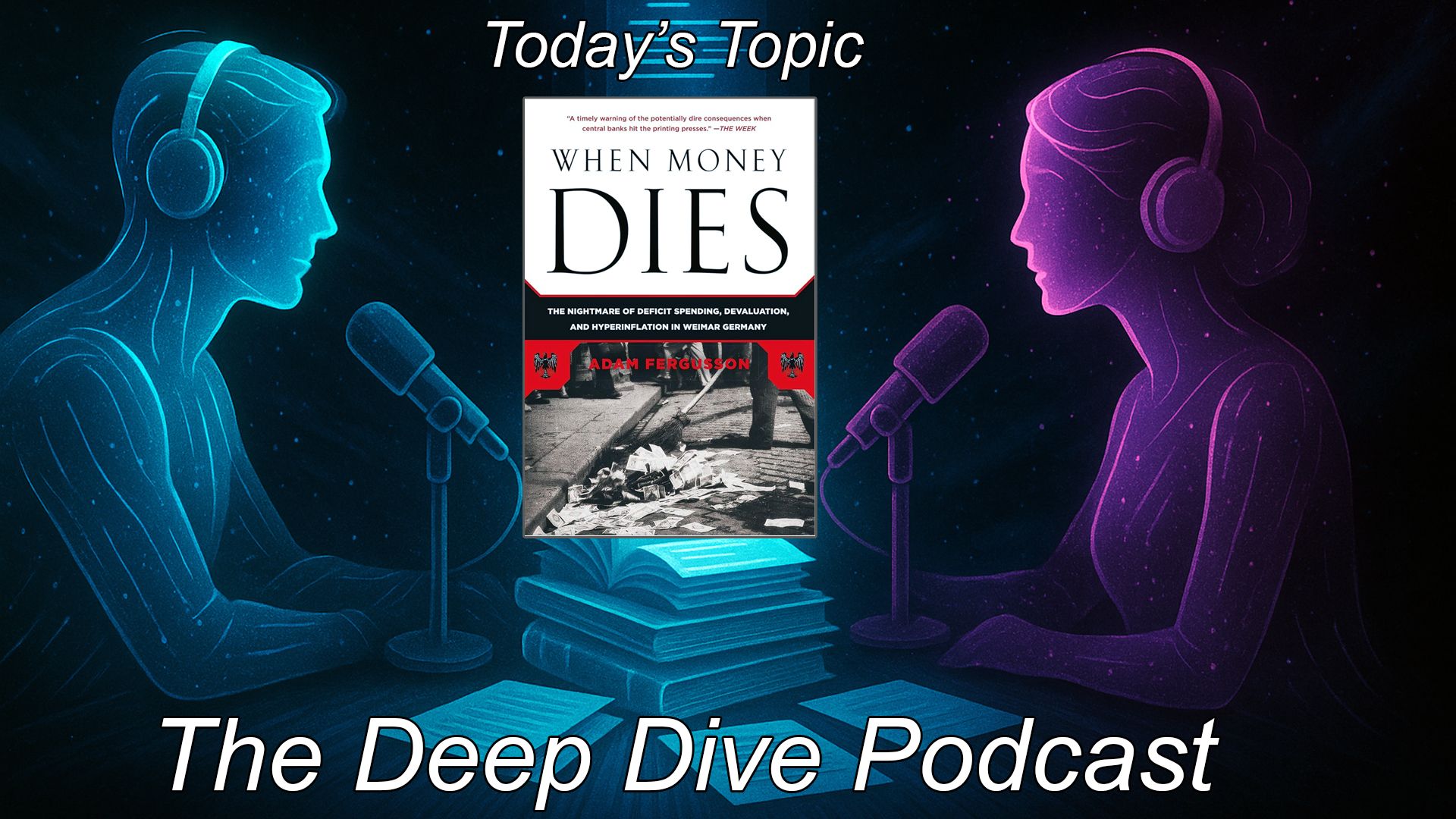
When Money Dies: How Hyperinflation Destroys Nations and Freedom
When Money Dies is Adam Ferguson’s harrowing 1975 account of the Weimar Republic’s hyperinflation (1919–1923), one of history’s most catastrophic monetary collapses. Starting from a stable pre-war mark, Germany’s currency was destroyed by wartime borrowing, Versailles reparations, and relentless printing—reaching the surreal point where one British shilling equaled one trillion marks, with workers paid twice daily and prices rising while drinking coffee. The middle class—savers, pensioners, professionals—saw their life’s work evaporate, while unions, industrialists, and the state benefited from subsidized wages, frozen rents, and devalued debt, creating a silent wealth transfer and moral inversion where greed, theft, prostitution, and hoarding became rational survival tactics. This gripping episode leaves listeners confronting a timeless question: what hidden costs are modern societies accumulating by repeatedly postponing the hard choice between unemployment and insolvency?...
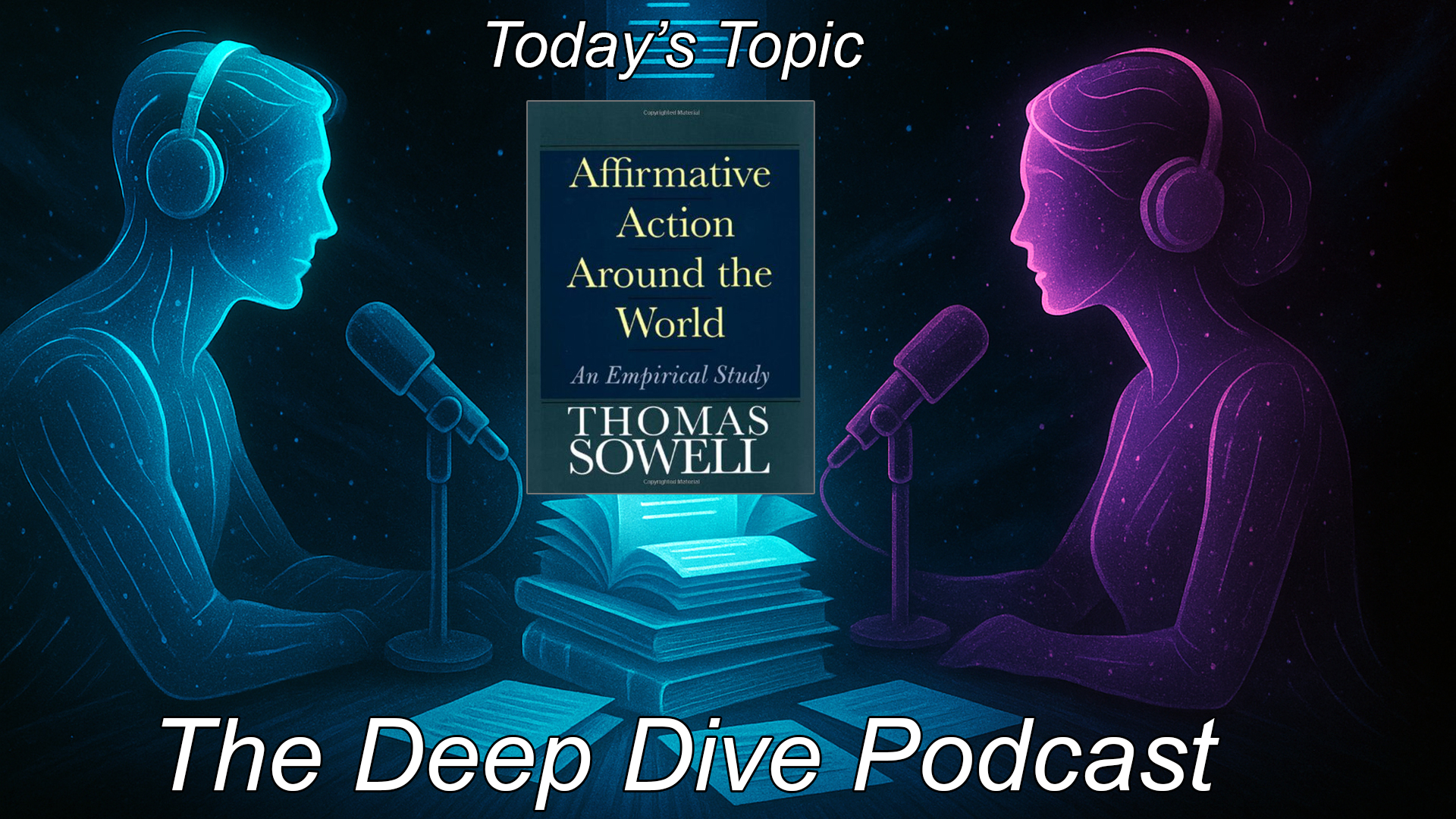
Affirmative Action Around the World: Thomas Sowell on How Equality Became Injustice
Affirmative Action Around the World presents Thomas Sowell’s eye-opening empirical study of government-mandated group preferences across countries, cutting through intentions and moral claims to examine real-world outcomes. This sobering global evidence challenges listeners to confront a hard question: when good intentions produce elite capture, social division, and sometimes violence, is engineering group outcomes worth the cost to individual liberty, merit, and national unity?...
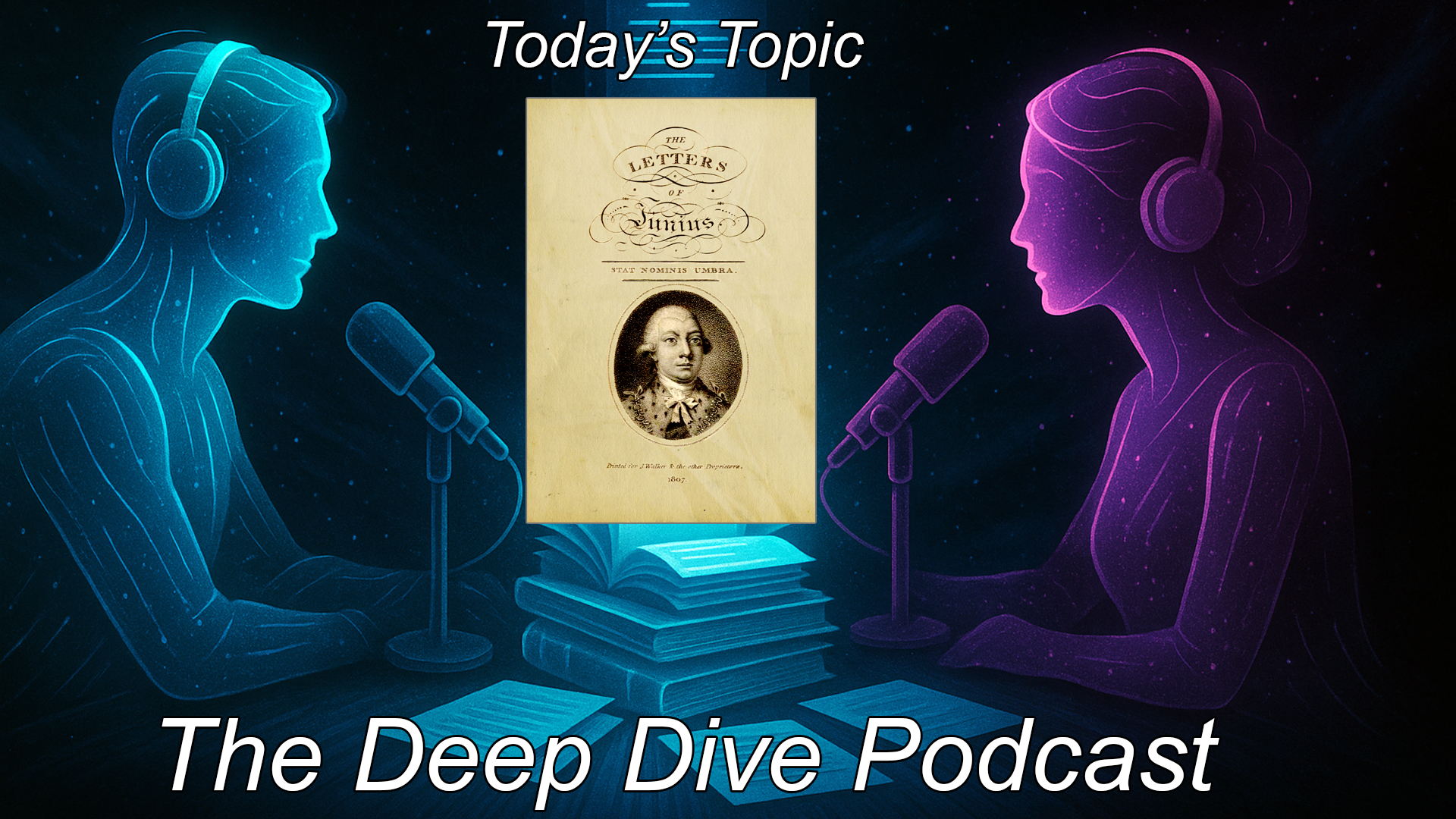
The Letters of Junius: The Anonymous Rebel Who Taught America to Defend Liberty
The Letters of Junius (1769–1772) showcases the anonymous writer’s fearless, razor-sharp attacks on Prime Minister Duke of Grafton, Lord North, Lord Mansfield, and even implicitly King George III—letters that terrified the government while galvanizing public opinion in late-18th-century Britain. His final letter directly challenged the king: if the people must defend their God-given rights, on whom could the Crown rely? The letters also circulated widely in the American colonies, where their bold defense of free press, constitutional vigilance, and resistance to arbitrary power resonated with patriots and helped shape the radical Whig ideology that underpinned the American Revolution—this urgent call for citizen vigilance, courage, and active resistance still resonates powerfully today...
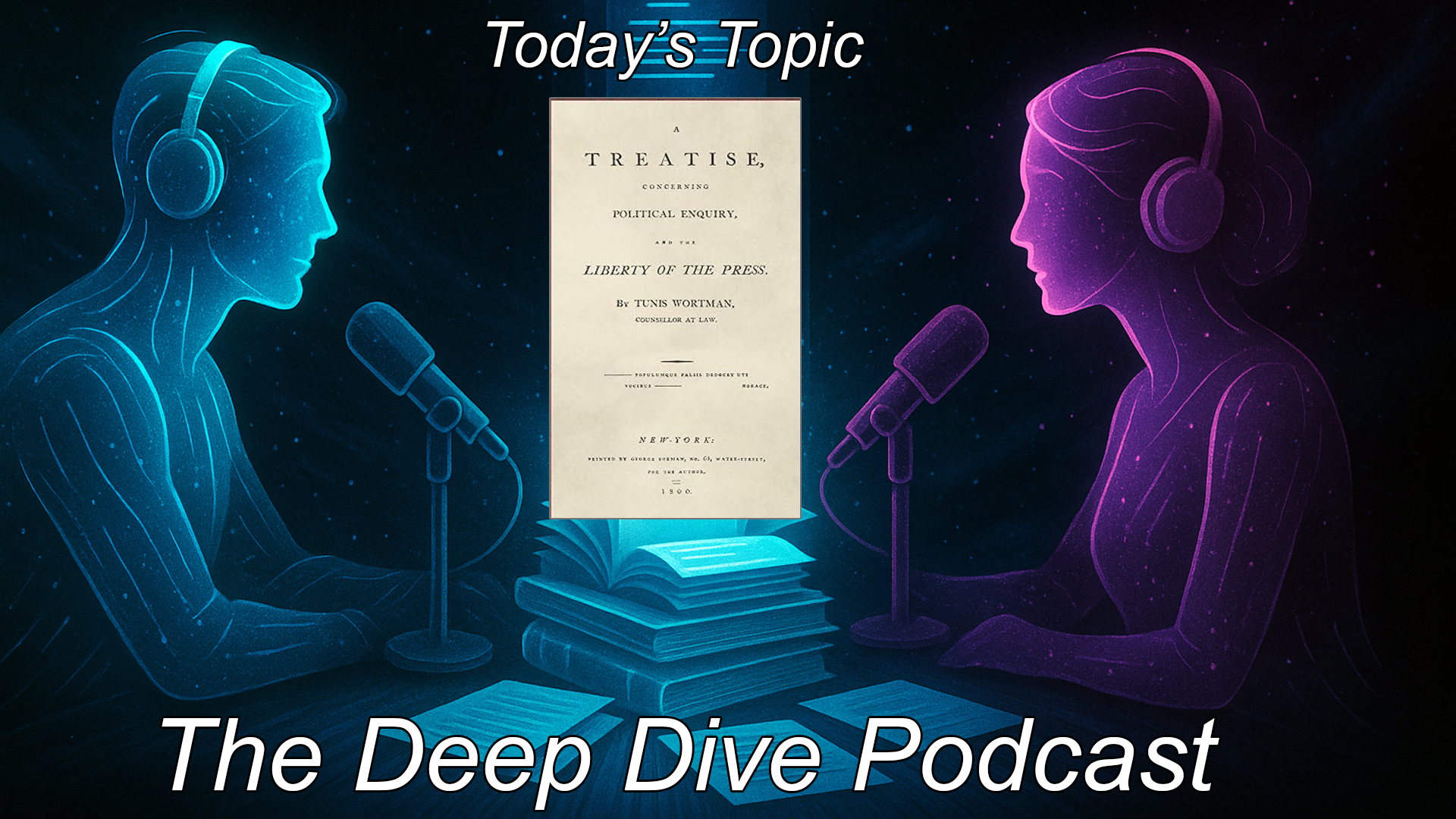
Political Enquiry and the Liberty of the Press: Tunis Wortman’s Forgotten Warning
A Treatise Concerning Political Enquiry (1800) by Tunis Wortman delivers one of the earliest and most forceful American defenses of press freedom—not as a government-granted privilege, but as a natural right and moral duty for every citizen. This urgent Enlightenment plea challenges us today: when peaceful channels for challenging ideas are blocked by deplatforming, cancellation, or echo chambers, do we risk the very volcanic unrest Wortman warned against? A profound, timely listen that reframes free speech as the bedrock of self-government...

Man vs. The Welfare State: How Government Promises Destroy Freedom
Man vs. The Welfare State delivers Henry Hazlitt’s devastating critique of the modern welfare state’s promise of instant utopia—full employment, poverty’s end, perpetual prosperity—which he argues relies on coercion, taxation, and monetary manipulation that ultimately erode individual freedom, productivity, and personal responsibility. This eye-opening episode forces a provocative question: By trading voluntary cooperation, thrift, and self-reliance for state-mandated security, are we quietly surrendering the very virtues and freedoms that sustain a prosperous society?...
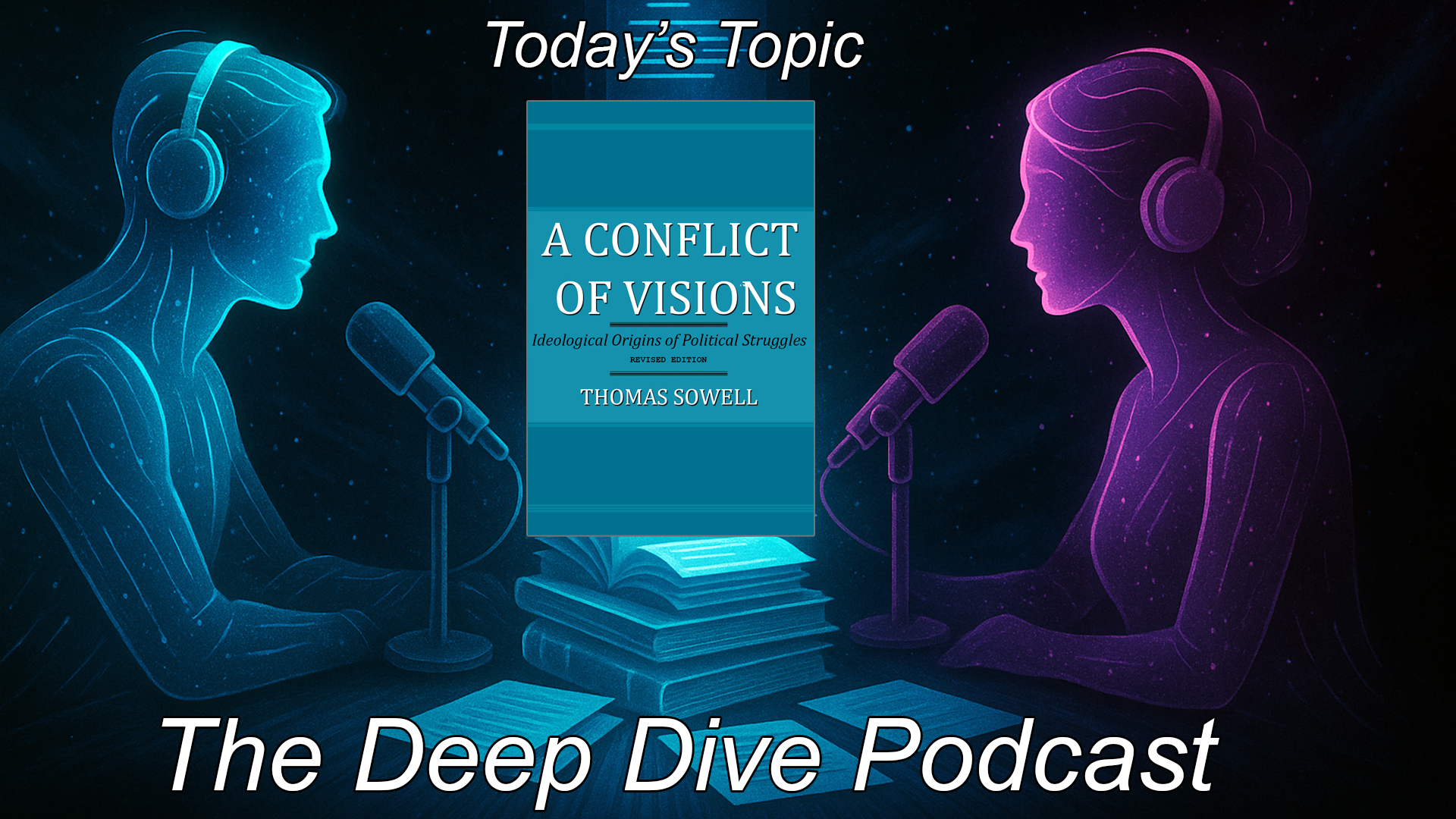
A Conflict of Visions: Two Moral Visions Shaping Society
A Conflict of Visions masterfully explains why political opponents consistently divide along the same lines across unrelated issues—from taxes and crime to schools and foreign policy—by revealing two incompatible "visions" of human nature and society. The episode challenges listeners: which vision truly underlies your beliefs, and does chasing utopian outcomes risk destroying the decentralized liberty and systemic wisdom that make flourishing societies possible? Compelling and eye-opening, it transforms how you'll hear every political debate...
- 1
- 2